
In today’s world, we’re starting to realize something incredibly powerful: not all carrots are created equal. The concept of nutrient density—the idea that food can differ in its nutritional quality, even within the same type of produce—is gaining momentum, and with good reason.
At the 2024 Soil and Nutrition Conference, Dan Kittredge, founder of the Biodiversity Food Association, brought to light groundbreaking insights about the connection between soil health and the food we eat. This blog post captures key highlights from Dan’s talk, focusing on how soil health determines the quality of the food we consume—and how we, as consumers, can make better choices for our health and the environment.
What is Nutrient Density?
Nutrient density is the measure of how nutrient-rich a food is compared to its calories. Imagine two carrots: one grown in nutrient-depleted soil and one in nutrient-rich soil. Both may look the same, but the latter contains significantly more vitamins, minerals, and beneficial compounds. This difference is what nutrient density is all about.
Key Takeaway: Nutrient-dense foods are packed with health-boosting nutrients. Choosing these foods can lead to better health outcomes, from improved immunity to reduced risk of chronic diseases.
Why Soil Health Matters
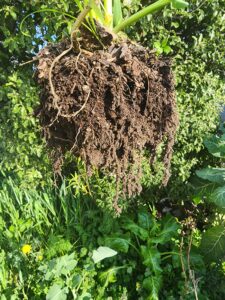
According to Dan, one of the biggest factors influencing nutrient density is soil health. Healthy soil teeming with life—microbes, fungi, and organic matter—creates the perfect environment for plants to grow stronger, more resilient, and far more nutritious.
Dan shared results from a study conducted by the Biodiversity Food Association, where the same type of produce, such as carrots, was tested for nutrient levels. Shockingly, the results showed an 8x difference in nutrient content between the best and worst samples. That means you would have to eat eight low-nutrient carrots to get the same amount of phosphorus as you would from just one nutrient-dense carrot.
Proof of Impact: These findings underscore the importance of focusing on soil health as the root cause of nutrient-rich food. Whether you’re an organic farmer or buying from a local market, the quality of the soil directly impacts the food on your plate.
A Revolutionary Approach: Handheld Meters to Measure Nutrient Density
Perhaps the most exciting development shared by Dan was the introduction of handheld nutrient meters, a tool designed to empower consumers to test the nutrient density of food in real-time. Imagine being able to pick up two bags of carrots at the grocery store, use the meter, and instantly know which one offers more nutrition.
This tool, still in development, promises to disrupt the way we think about food quality, enabling people to choose foods that truly nourish their bodies.
Believable Results: In a pilot study, this meter was able to measure antioxidant levels in different types of produce. The results were staggering, with some produce showing up to 40x more antioxidants than others.
The Bigger Picture: Healing the Planet Through Nutrient-Rich Agriculture
Dan emphasized that improving soil health not only improves the quality of our food but also has positive ripple effects on the environment. Healthier soil can absorb more carbon, improve water retention, and support biodiversity—all essential factors in fighting climate change and creating sustainable farming practices.
By promoting nutrient density, we can create a system where farmers are incentivized to grow better quality food, and consumers are empowered to make healthier choices. This shift doesn’t just benefit individual health; it contributes to a more resilient planet.
Take Action: How You Can Choose Better Food Today
- Look for Farmers Who Prioritize Soil Health: Whether at your local market or grocery store, ask about farming practices. Prioritize produce grown using organic or regenerative methods.
- Support Initiatives That Measure Nutrient Density: Be an advocate for more transparency in our food system. Support technologies like handheld nutrient meters to ensure you’re getting the most nutritious food possible.
- Grow Your Own Food: If you have the space, growing your own food is a great way to ensure nutrient density. Focus on building healthy soil through composting and using natural fertilizers.
Conclusion: The Nutrient Density Revolution Has Begun The future of food lies not just in what we eat, but in how it’s grown. By prioritizing soil health and nutrient density, we can nourish our bodies, protect the planet, and create a more sustainable food system. As Dan Kittredge has shown us, the answers to many of our health and environmental challenges lie right beneath our feet—in the soil.
Are you ready to join the nutrient density revolution?
Check out our Gut-Friendly Gardening mini course here