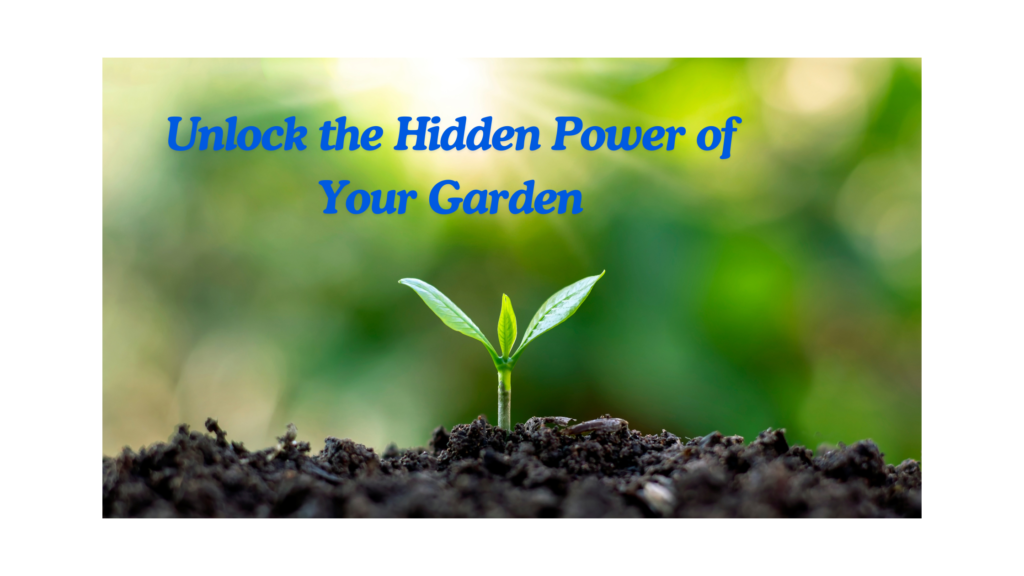
As home gardeners, we often take pride in the fruits (and vegetables) of our labor—watching seeds sprout, plants flourish, and harvests abound. But there’s a deeper, often overlooked aspect of gardening that can elevate not only the vitality of our gardens but also our personal well-being: saving and exchanging seeds. This practice doesn’t just preserve plant varieties; it nurtures a rich seed microbiome that benefits plant health, soil quality, and even our own gut health.
The Seed Microbiome: Nature’s Inheritance
Every seed is a miniature world teeming with life. The seed microbiome refers to the community of beneficial microorganisms—primarily bacteria and fungi—that reside on and within seeds. These microbes are more than hitchhikers; they’re vital partners in a plant’s life cycle.
How the Seed Microbiome Benefits Plants
- Enhanced Germination: Beneficial microbes produce growth-promoting substances that help seeds sprout more effectively.
- Nutrient Uptake: They assist in absorbing essential nutrients like nitrogen and phosphorus from the soil.
- Disease Resistance: By outcompeting harmful pathogens and triggering the plant’s natural defenses, these microbes protect seedlings from diseases.
- Stress Tolerance: They help plants withstand environmental stresses such as drought, salinity, and extreme temperatures.
When you save seeds from your healthiest plants, you’re preserving this microbial legacy. Planting these seeds the next season gives your garden a head start with robust plants that are well-adapted to your local environment.
The Ripple Effect on Soil and Gut Health
Enriching the Soil Microbiome
As seeds germinate, they release their microbiome into the surrounding soil, enriching it with beneficial microbes. This creates a virtuous cycle:
- Improved Soil Structure: Microbial activity enhances soil aggregation, improving aeration and water retention.
- Nutrient Cycling: Microbes break down organic matter, making nutrients more available to plants.
- Disease Suppression: A diverse soil microbiome can suppress soil-borne diseases naturally.
Boosting Human Gut Health
The benefits extend beyond the garden. Consuming plants grown from seeds with a rich microbiome can positively influence our own gut health:
- Nutrient-Dense Produce: Healthier plants often have higher levels of vitamins, minerals, and antioxidants.
- Beneficial Microbial Exposure: Eating these plants may introduce helpful microbes to our gut microbiome, supporting digestion and immune function.
Preserving Biodiversity and Heritage
By saving and exchanging seeds, you’re playing a crucial role in preserving plant biodiversity. Heirloom and open-pollinated varieties carry unique flavors, appearances, and resistances that might be lost in commercial agriculture’s focus on uniformity.
- Genetic Diversity: A wider gene pool means plants are better equipped to handle pests, diseases, and climate variations.
- Cultural Heritage: Many heirloom varieties have stories and traditions attached to them, enriching our cultural landscape.
- Flavor and Nutrition: Heirloom plants often offer superior taste and nutritional profiles compared to their commercial counterparts.
Getting Started with Seed Saving
Embarking on seed saving is easier than you might think. Here’s how to begin:
- Select the Best Plants: Choose healthy, vigorous plants that exhibit desirable traits—flavor, size, resistance to pests, etc.
- Harvest Seeds Properly:
- Dry Seeds (beans, peas): Allow seeds to dry on the plant before collecting.
- Wet Seeds (tomatoes, cucumbers): Extract seeds and clean them to remove any pulp.
- Clean and Dry: Remove any plant debris and ensure seeds are thoroughly dried to prevent mold during storage.
- Store Correctly: Place seeds in labeled envelopes or containers, and keep them in a cool, dry place.
- Document: Note any special characteristics or observations about the parent plant for future reference.
The Joy of Exchanging Seeds
Seed exchanges are a wonderful way to diversify your garden and connect with other gardeners. Benefits include:
- Access to New Varieties: Discover plants that you might not find commercially.
- Shared Knowledge: Learn tips and techniques from fellow gardeners.
- Community Building: Foster relationships and strengthen your local gardening community.
Consider joining local gardening clubs, attending seed swap events, or participating in online seed exchange groups.
Sustainable Gardening for a Healthier Future
By saving and exchanging seeds, you’re embracing sustainable practices that have far-reaching impacts:
- Reduced Dependency on Commercial Seeds: Gain independence from mass-produced seeds that may lack diversity.
- Environmental Stewardship: Promote ecological balance by supporting a diverse range of plant and microbial life.
- Healthier Lifestyles: Enjoy fresher, more nutritious produce straight from your garden to your table.
Conclusion: Sow Seeds, Grow Wellness
Saving and exchanging seeds is more than a gardening activity; it’s a commitment to nurturing life in its most fundamental forms. It’s about recognizing the interconnectedness of the soil, plants, microbes, and ourselves.
As you plan your next planting season, consider the legacy you can cultivate. By focusing on the seed microbiome and embracing seed saving, you’re not just growing a garden—you’re fostering a healthier ecosystem and enriching your own well-being.
Ready to unlock the hidden potential of your garden? Start saving seeds today and join a community of gardeners dedicated to making a positive impact, one seed at a time.
Share Your Journey
Have you been saving seeds or participating in seed exchanges? We’d love to hear your experiences! Share your stories and tips in the comments below or connect with us on social media. Let’s grow together!